



TANNER'S CORNER
Tanner Leatherstein has dissected hundreds of leather bags. Below, he brings his expertise directly to you, answering your questions on materials, craftsmanship and the details that define lasting quality.
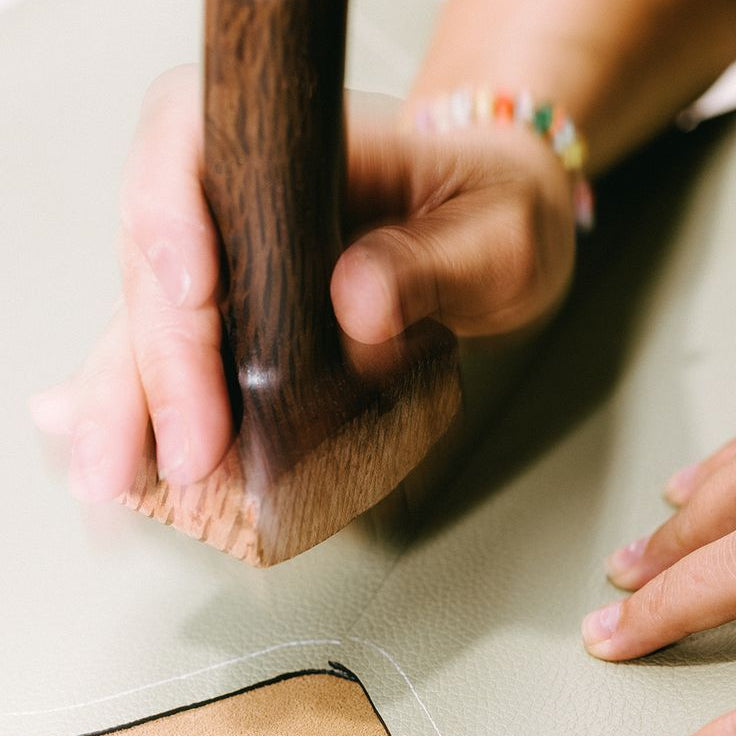
Growing up in a tannery, I know how difficult it is to preserve the natural beauty of a leather hide while making it consistent, workable and fashionable. It is an art and a science, one that takes decades to perfect.
Leather is a luxury precisely because it is a living material. It changes with the climate and the seasons, and achieving the same exceptional result every time requires mastery and constant attention.
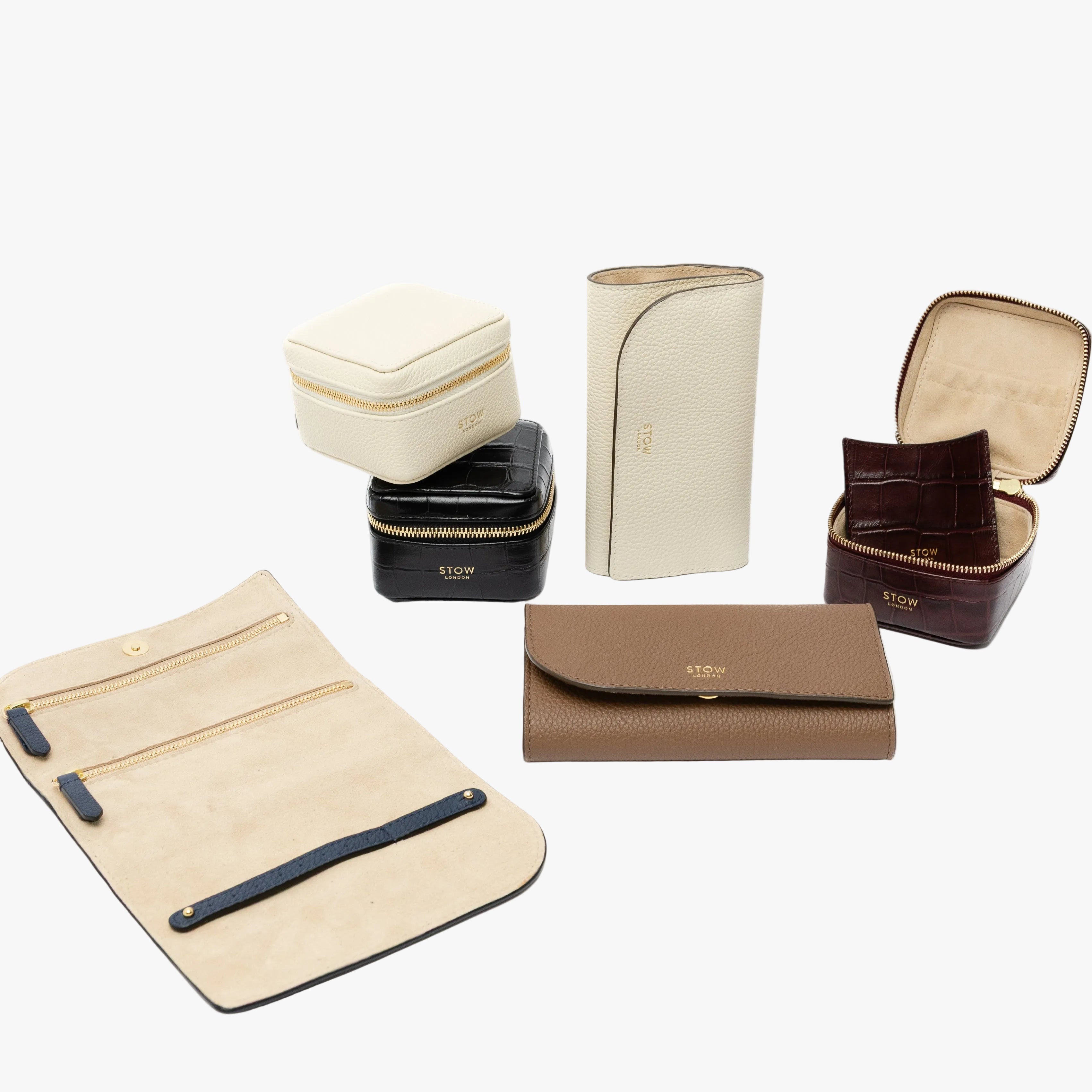
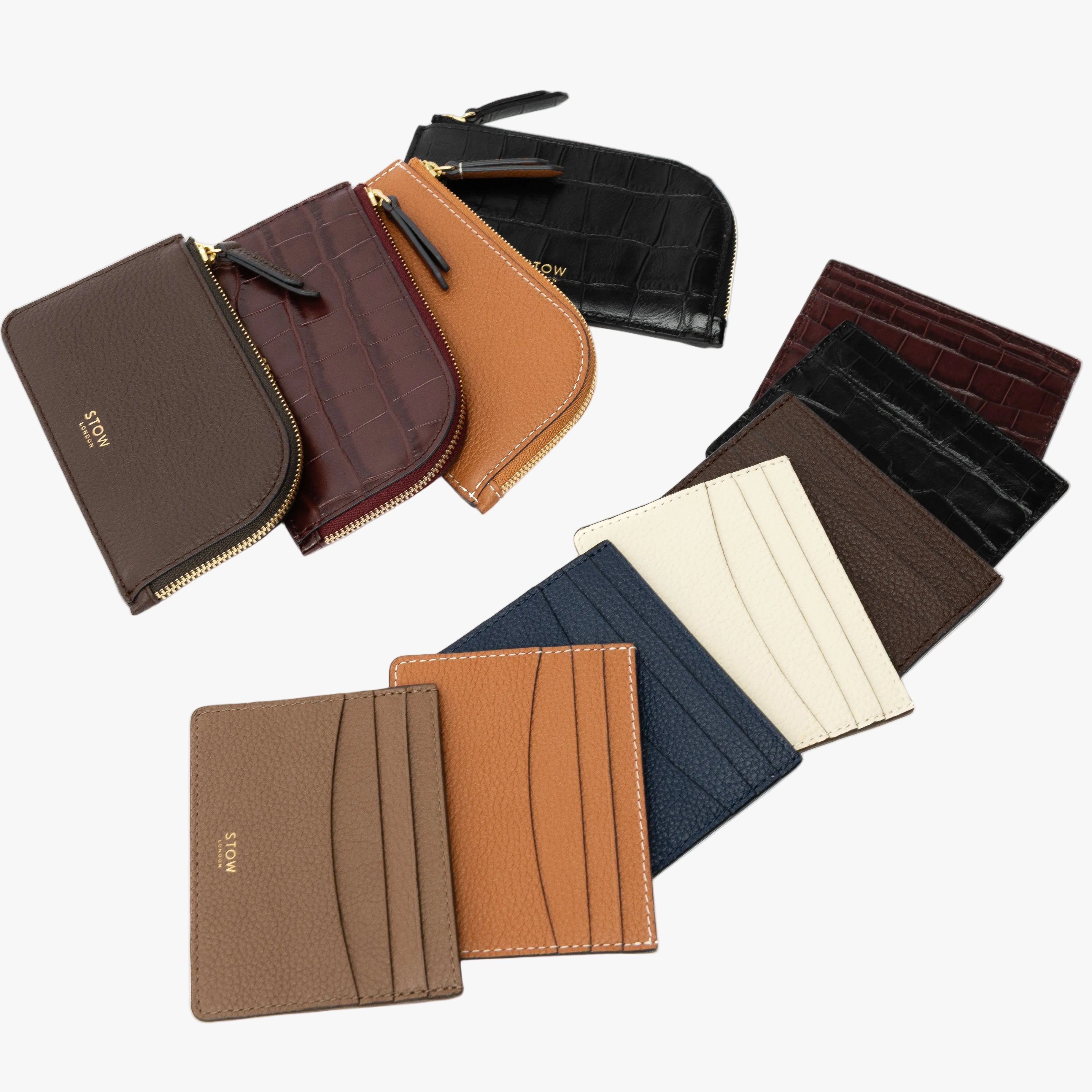
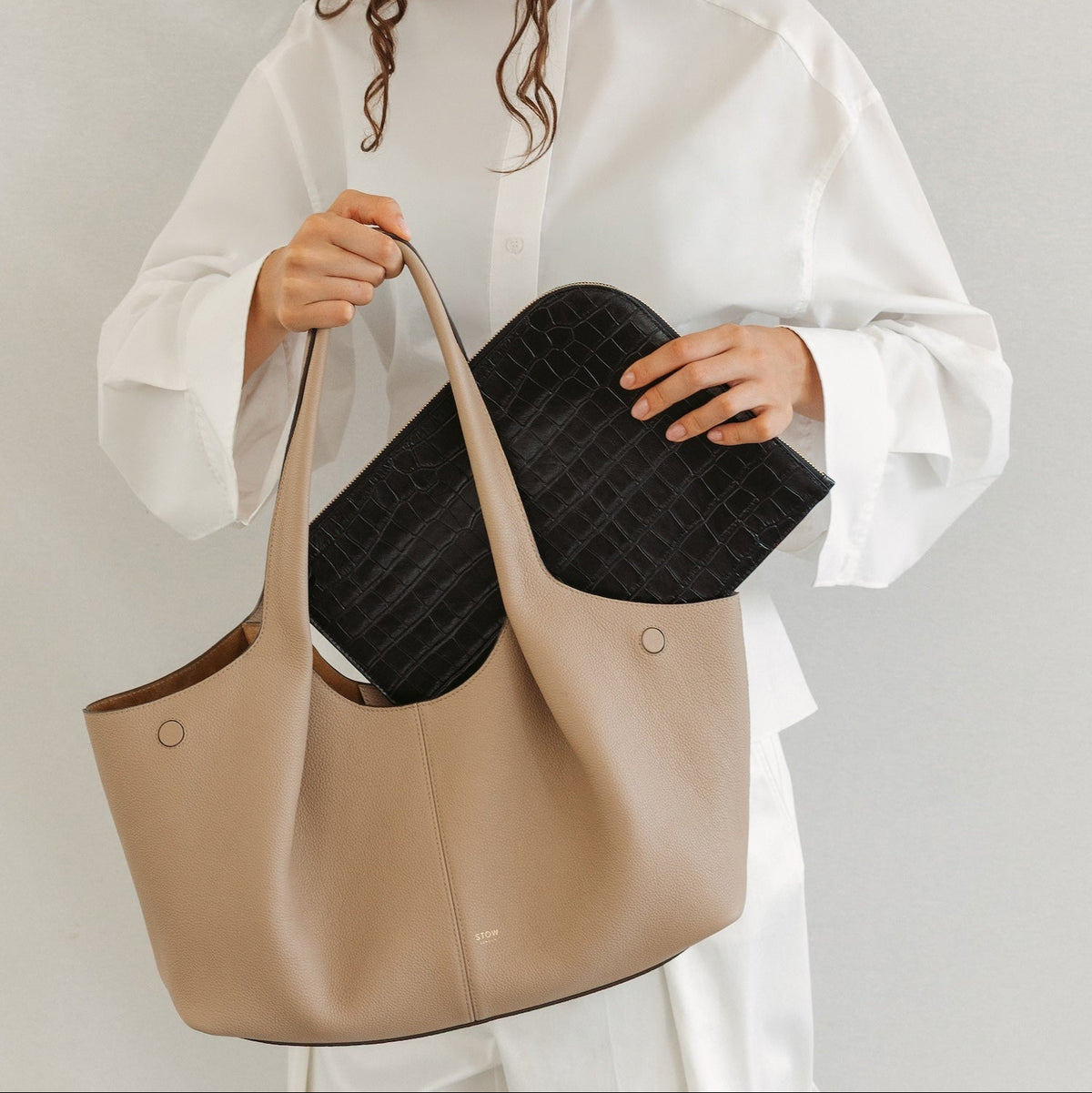
Having visited tanneries all over the world, Badia stands apart. Based near Barcelona, Spain, they have perfected this craft, producing the finest leathers I have ever seen. Their Silk Elba smooth leather and Mozart pebbled leather, both used by STOW, are testament to that. This is the standard found in the $2,000–$3,000 bags of the luxury industry, and it is exactly what we want to offer our customers.
LWG stands for Leather Working Group. It is an organisation formed by multiple brands to bring accountability to the environmental practices of leather tanning. They have very high standards, with three categories: Silver, Gold and Platinum.
Every two years, they visit tanneries to check their practices against a rigorous criteria list. Standards become increasingly demanding each year, as they find new ways to make the process more sustainable.
Tanneries who carry this certificate prove to their customers that they are following the best practices to make the least possible impact on the environment during leather production.
Two things make leather one of the most sustainable materials available to us.
First, where it comes from. Leather is a by-product of the meat industry. The hide is already there when the animal is harvested. Nobody is raising animals purely for their leather. Once tanned, it becomes a beautiful, durable material used in everything from bags and wallets to belts and shoes.
Second, durability. Leather outlasts synthetic alternatives like P.U. or vegan leather by a significant margin. You would need to replace them two or three times to get the equivalent lifespan from one leather product.
Leather is a by-product and you end up with something that lasts. For those reasons, leather is one of the most sustainable materials we have.
We do not need to predict this, we already know. Tanneries found in Pompeii show leather was being produced thousands of years ago. It has sustained itself across millennia. The proof is already there.
There are a lot of misunderstandings when it comes to leather. One of the most misunderstood types would be suede.
Firstly, people do not really know what suede is. Suede is the bottom layer of the hide. The smooth grain side is the outer, hide-facing surface of the animal and suede is the inside, flesh-facing side.
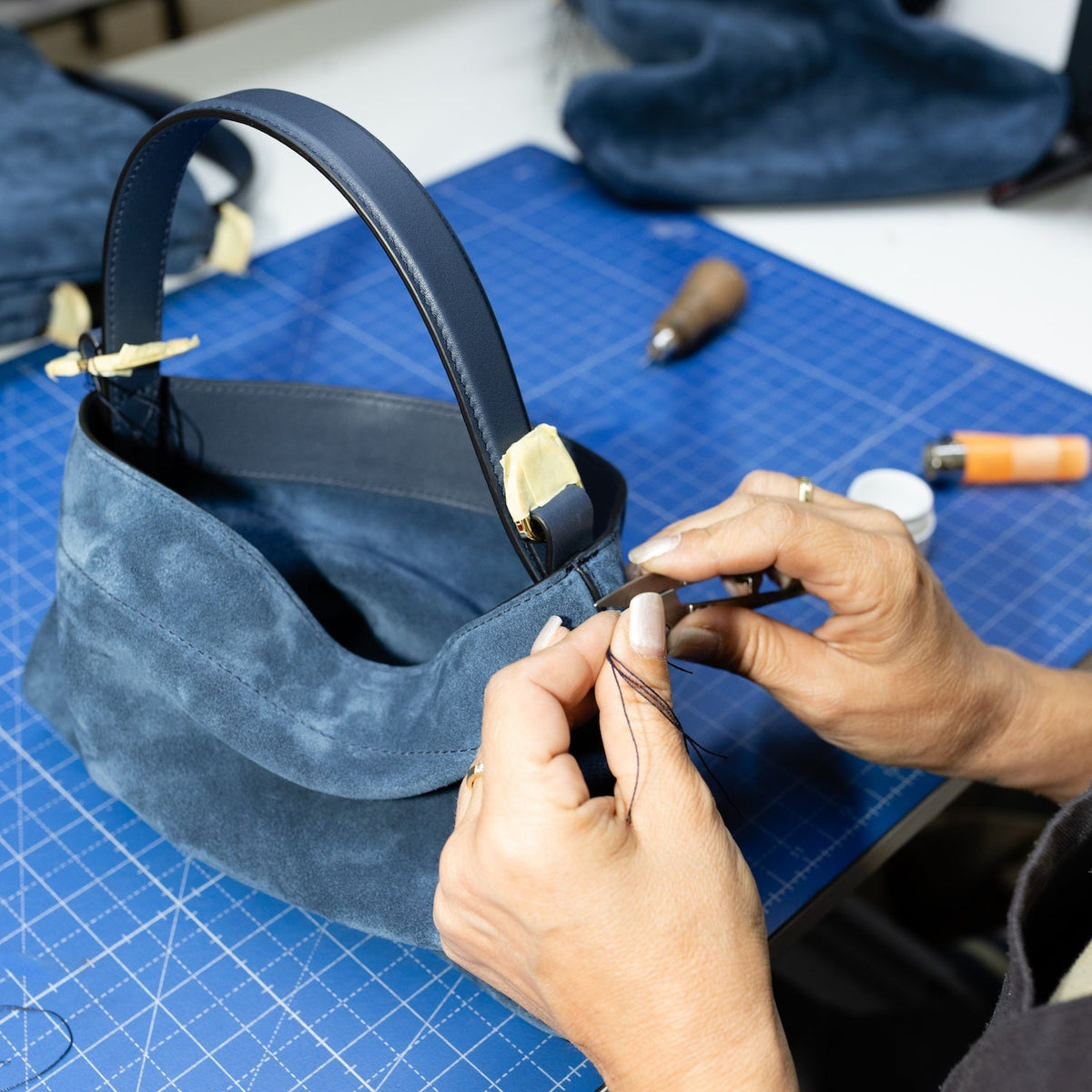
The second most misunderstood thing about suede is that it is hard to maintain. I held that misconception myself, until we started making suede bags in the STOW collection. In some ways, suede is actually easier to maintain than napa leather, as napa does tend to scratch in a permanent way that cannot be undone. With suede, you can simply brush out the velvety fibres and it restores its appearance. As long as you avoid excessive water exposure and keep oily or sugary substances away from it, suede will be very easy to maintain for a long time.
It is also the most rewarding in terms of feel. The touch of suede is truly something else. An experience you simply cannot find in any other type of leather.
Thinking the way I do, I want the highest quality at the best price. Not cheap and flimsy, but not overpaying beyond what the materials and craftsmanship justify either.
For leather, I always look for natural variances. The simplified, standardised leathers common in fashion today are cheaper to produce, but heavy correction and man-made processes strip away what makes leather beautiful. They are great for mass production but they are not the best leather.
The art is in the nuances. Look for slight variations in the natural grain, especially at the corners. Run your hands over it. Good leather feels natural and tactile, not flat like plastic. If it feels like plastic, there is too much correction.
Finally, smell it. The best leathers have a subtle, pleasant scent, like coffee, or soil after rain.
If you can identify any or all three, you are looking at good leather.
The wonderful leather used in STOW products is highly durable but is a natural material. Permanent stains, discolorations and other damage can develop with use if not cared for, cleaned or stored properly. We give some guidance below depending on the type of leather used to make your STOW accessory.
Calfskin leather (Smooth or Pebbled)
To remove any dirt, wipe gently with a dry, lint-free cloth. If there are stains, first try removing them with a damp cotton washcloth. Gentle formula wet wipes can also be effective. Dab at the stain with the water and allow to air dry. If the stain persists, combine a small amount of mild soap with water and dab at the stain until it’s gone. Do not rub too hard. Next, use a new damp cloth and again dab at the leather to rinse out the soapy water.
You can further protect your product by applying a cream or spray leather protectant, formulated for use on calfskin leather. If you use a cream, dampen the corner of a washcloth and apply a thin layer. If using a spray, apply evenly. Follow the manufacturer’s directions and allow to dry before storing. Do not use on the inner suede or faux suede material.
Suede
Suede is a much more complex leather to care for than our calfskin. As with any suede product, whether shoes, clothing or bags, the surface is much more prone to picking up dirt and stains given the brushed nature of the article. Given this composition, you cannot use water and the most appropriate tool is a special suede brush. Consistent, persistent and gentle brushing in the direction away from you, is the best course of action.
For very stubborn stains you can try vinegar or alcohol applied directly onto a cloth for gentle rubbing, but you must try this first on a small less noticeable area. The best policy is prevention using a specific suede leather spray before wearing. Regardless of the leather type, store in a cool, dry place. Our luxury branded dust bags are ideal to both store and protect your product.